Introduction
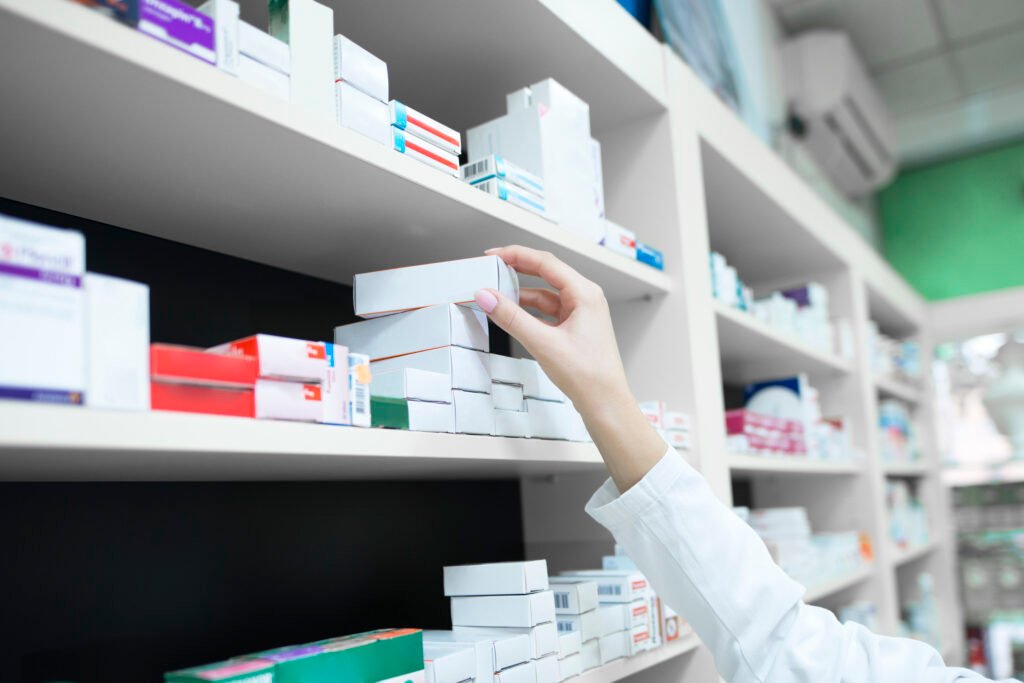
A medical store is a shop where people can buy medicines, healthcare products, and medical supplies. It plays an important role in our daily lives because it helps people find the products they need to maintain their health and treat illnesses. Medical stores are also known as pharmacies or medicine shops. They provide different types of medicines, first-aid items, vitamins, and other healthcare products.
Medical stores are commonly found in cities, towns, and villages. Some are located near hospitals and clinics, while others operate in local markets and shopping areas. A medical store helps patients obtain medicines prescribed by doctors and provides basic information about the proper use of medicines.
Importance of a Medical Store
Medical stores are important because they make healthcare products available to the public. When people become sick, they often need medicines to recover. A medical store helps them obtain prescribed medicines without having to travel long distances.
Medical stores also provide products that people use to care for minor injuries and everyday health needs. For example, customers may purchase bandages, antiseptic solutions, thermometers, and other first-aid supplies.
A well-managed medical store maintains clean surroundings, stores medicines properly, and follows the laws and regulations applicable to pharmacies.
Products Available in a Medical Store
A medical store offers a wide range of healthcare products. These products can be divided into several categories.
1. Medicines
Medicines are the main products sold in a medical store. They are used to treat different illnesses and health conditions. Some medicines are available without a prescription, while others can only be supplied under the applicable prescription requirements.
Customers should always follow the instructions of their doctor or pharmacist when using medicines.
2. First-Aid Supplies
First-aid supplies are used to provide immediate care for minor injuries. Common products include bandages, cotton, gauze, medical tape, and antiseptic solutions.
These products are useful at home, in schools, in offices, and in workplaces.
3. Vitamins and Supplements
Many medical stores sell vitamins and dietary supplements. These products may help people meet certain nutritional needs. However, customers should seek professional advice before using supplements, especially if they take other medicines or have existing health conditions.
4. Personal Care Products
Medical stores may also sell personal care products such as hand sanitizers, masks, skincare products, oral hygiene products, and personal hygiene supplies.
These products help people maintain cleanliness and follow everyday hygiene practices.
5. Medical Equipment
Some medical stores provide basic medical equipment, including thermometers, blood pressure monitors, glucose meters, and nebulizers. The availability of these products depends on the size and type of the store.
Role of a Pharmacist
A pharmacist plays an important role in a medical store. Pharmacists have professional knowledge of medicines and their proper use. They help ensure that medicines are supplied appropriately and explain important instructions to customers.
A pharmacist may guide customers about dosage instructions, possible side effects, medicine storage, and interactions. They can also explain when a customer should contact a doctor.
Pharmacists must follow professional standards and applicable laws. They should never recommend inappropriate medicines or encourage customers to misuse prescription drugs.
Benefits of a Medical Store
Medical stores offer several benefits to individuals and communities.
Easy access to medicines: Medical stores help people obtain the medicines and healthcare products they need.
Professional guidance: Qualified pharmacists can provide useful information about medicines and their safe use.
Emergency supplies: First-aid products can help people respond to minor injuries.
Health awareness: Medical stores can educate customers about proper medicine storage, hygiene, and responsible medicine use.
Community support: Medical stores provide an important service to people living in both urban and rural areas.
How to Start a Medical Store
Starting a medical store requires careful planning. A person who wants to open one should first research the local market and understand the legal requirements.
The first step is to select a suitable location. A shop near a hospital, clinic, or residential area may attract customers, depending on local competition and demand.
The second step is to obtain the necessary licenses and permissions. In Pakistan, medicine-sale businesses must comply with the applicable provincial drug-sale licensing requirements. The owner should check the current rules with the relevant provincial drug control authority.
The third step is to arrange suitable storage facilities. Medicines must be stored according to their labeling and storage requirements. Some products need refrigeration and temperature monitoring.
The fourth step is to purchase genuine medicines from authorized suppliers. The owner should maintain records, check expiry dates, and avoid selling counterfeit or expired products.
Finally, the business needs proper staff, organized shelves, accurate billing, and good customer service.
Challenges Faced by Medical Stores
Medical stores face several challenges. One common problem is competition from other pharmacies. A store must maintain reliable service, genuine products, and reasonable prices to build customer trust.
Another challenge is managing medicines that have expiry dates. Store owners must check stock regularly and remove expired products from sale.
Maintaining the correct storage temperature can also be difficult, particularly for medicines that require refrigeration. In addition, changes in regulations, supply shortages, and increasing operating costs may affect the business.
Medical stores can address these challenges through careful planning, staff training, and responsible inventory management.

Medical Store and Technology
Technology has made medical-store operations more efficient. Many stores use computer systems to manage stock, prepare bills, and track expiry dates.
Some pharmacies also provide online ordering and home delivery where legally permitted. These services can make it easier for customers to obtain healthcare products.
However, online medicine sales must follow applicable laws, protect customer information, and ensure that medicines are supplied safely.
Conclusion
A medical store is an important part of the healthcare system. It provides medicines, first-aid supplies, personal care products, and other healthcare essentials. Pharmacists help customers understand the proper use of medicines and encourage responsible healthcare practices.
A successful medical store depends on genuine products, qualified staff, suitable storage, good customer service, and compliance with the law. By providing safe and reliable healthcare products, medical stores support individuals, families, and communities in maintaining better health.
Medical stores are more than ordinary shops because their services directly affect people’s health and well-being. They will continue to play an important role in making healthcare products accessible to the public.